
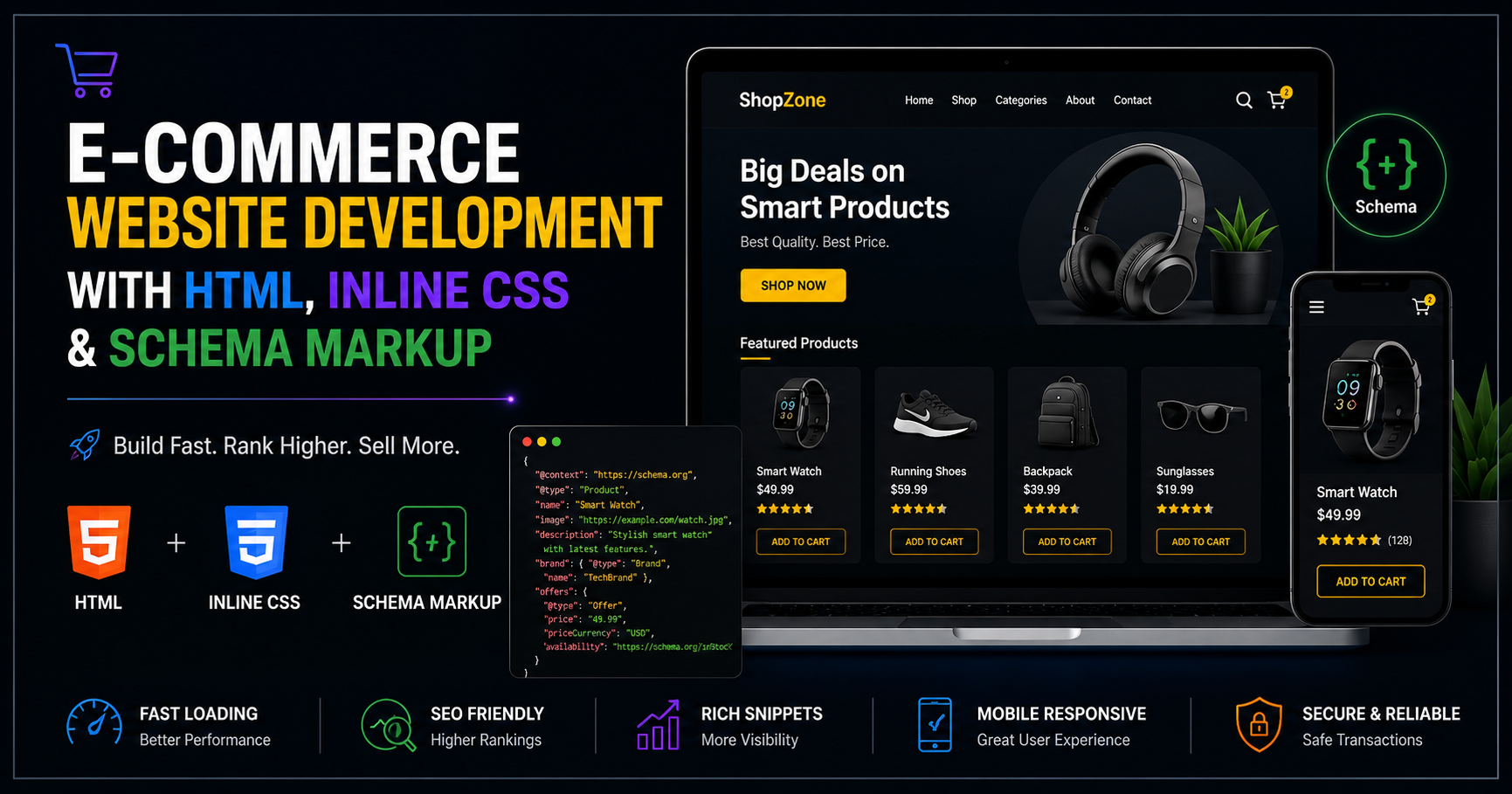
E-Commerce Website Development: A Complete Guide for Businesses in 2026
In 2026, having a strong online presence isn’t optional — it’s essential for survival and growth. Whether you’re a small business owner or scaling a large brand, e-commerce website development is the foundation of your digital storefront. A well-built online store doesn’t just showcase products; it builds trust, drives conversions, and creates lasting customer relationships. With shopping habits shifting rapidly toward mobile and AI-driven experiences, businesses that invest in online store development today are positioning themselves for long-term success. This guide breaks down everything you need to know — from choosing the right platform to understanding costs, features, and emerging trends — in simple, practical terms.
1. Choosing the Right E-Commerce Platform
One of the first decisions in any e-commerce website development project is selecting the right platform. This choice affects your budget, flexibility, and growth potential.
- Shopify: Great for beginners and small to mid-sized stores. Quick to launch, with built-in hosting and security.
- WordPress (WooCommerce): Highly flexible and budget-friendly, ideal for businesses that want full content control alongside selling products.
- Magento (Adobe Commerce): Built for larger catalogs and enterprise-level stores needing advanced customization.
- Custom Development: Best for businesses with unique workflows, specific integrations, or long-term scalability goals. Custom e-commerce solutions offer complete control over design, performance, and functionality — though they require more time and investment upfront.
The right choice depends on your budget, technical resources, and how unique your business processes are. Many growing brands start with a platform like Shopify and later move to custom solutions as their needs evolve.
2. Must-Have Features for Every Online Store
Regardless of the platform you choose, certain features are non-negotiable for a successful e-commerce site. These form the backbone of a smooth shopping experience.
- Shopping Cart & Checkout: A simple, distraction-free checkout process reduces cart abandonment significantly.
- Secure Payment Gateways: Support for multiple payment methods (cards, digital wallets, UPI, etc.) builds customer confidence.
- Product Search & Filtering: Smart search with filters (price, category, ratings) helps customers find products faster.
- Mobile Responsiveness: With most traffic coming from smartphones, your site must look and function flawlessly on all screen sizes.
- Inventory Management: Real-time stock updates prevent overselling and improve order accuracy.
- Customer Reviews & Ratings: Social proof plays a major role in influencing purchase decisions.
3. UI/UX Best Practices That Drive Sales
Great design isn’t just about looking good — it’s about guiding visitors smoothly toward a purchase. Here are key UI/UX principles for effective online store development:
- Keep navigation simple with clear categories and a visible search bar.
- Use high-quality product images and concise, benefit-focused descriptions.
- Minimize the number of steps required to complete checkout.
- Ensure fast page load times — every second of delay can cost conversions.
- Use consistent branding (colors, fonts, tone) across all pages to build trust.
A clean, intuitive design reassures customers that your business is professional and trustworthy — which directly impacts conversion rates.
4. Security and SEO: The Non-Negotiables
Security and search visibility go hand in hand when it comes to long-term success in e-commerce website development.
- SSL Certificates: Encrypt data between your site and customers — essential for trust and Google rankings.
- PCI Compliance: Required for safely processing card payments.
- Regular Backups & Updates: Protect against data loss and vulnerabilities.
- SEO-Friendly URLs & Metadata: Helps search engines understand and rank your product pages.
- Schema Markup: Adding structured data helps products appear with rich snippets (price, reviews, availability) in search results.
5. Cost and Development Timeline
Costs and timelines vary widely depending on complexity and platform choice:
- Basic Store (Shopify/WooCommerce): $1,000–$5,000 | 2–4 weeks
- Mid-Level Store with Custom Design: $5,000–$15,000 | 4–8 weeks
- Fully Custom E-Commerce Solution: $15,000–$50,000+ | 3–6 months
These figures depend on factors like the number of products, integrations (CRM, ERP, shipping APIs), and design complexity. Investing wisely upfront often saves significant costs in redevelopment later.
6. Future Trends Shaping E-Commerce in 2026
Staying ahead means preparing for where e-commerce is heading:
- AI-Powered Personalization: Tailored product recommendations based on browsing and purchase history.
- Voice Commerce: Shopping via voice assistants is becoming increasingly common.
- AR/VR Try-Before-You-Buy: Virtual try-ons reduce returns and boost confidence.
- Sustainable & Localized Shopping: Customers increasingly favor brands with transparent, eco-conscious practices.
Ready to Build Your Online Store?
Whether you need a quick Shopify setup or a fully custom e-commerce solution, partnering with an experienced development team ensures your store is built right the first time. Get in touch with a trusted agency to discuss your e-commerce website development project today.
Final Thoughts
Building a successful online store in 2026 requires more than just listing products — it demands the right platform, essential features, thoughtful design, strong security, and an eye on future trends. Whether you choose a ready-made platform or invest in custom e-commerce solutions, focusing on user experience and scalability will set your business up for sustainable growth. Start planning today, and your online store can become one of your most valuable business assets.