
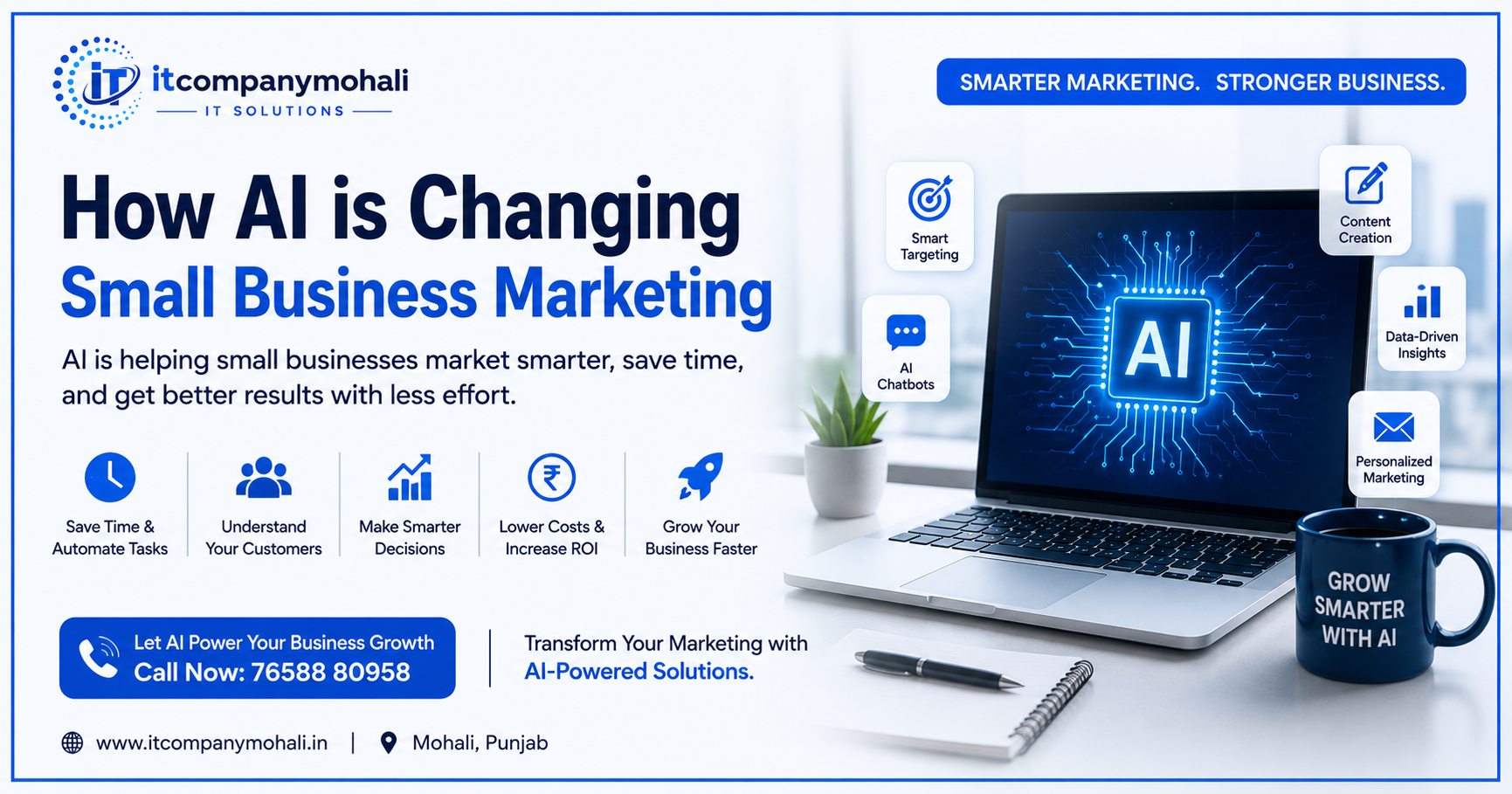
How AI is Changing Small Business Marketing
Smarter tools, leaner teams, bigger results
Not long ago, marketing a small business meant guesswork, a modest budget, and hours spent on tasks that big brands could throw entire departments at. That gap is closing fast. Artificial intelligence has moved from a “someday” technology to a practical, affordable toolkit that small business owners use every single day. From writing product descriptions to predicting which customers are about to walk away, AI is reshaping what’s possible for businesses that don’t have a marketing department — because now, in many ways, they don’t need one.
1. Content Creation Without the Content Team
Writing blog posts, social captions, email newsletters, and ad copy used to eat up hours every week. AI writing tools now generate first drafts in seconds, giving small business owners a head start instead of a blank page. A boutique clothing store can produce a week’s worth of Instagram captions in the time it used to take to write one. This doesn’t replace a human voice — the best results still come from editing and adding a personal touch — but it removes the biggest barrier: getting started.
2. Hyper-Personalization at a Small-Business Budget
Personalized marketing used to require large customer databases and expensive software. Today, AI-powered email and e-commerce platforms automatically segment audiences and tailor messages based on browsing history, purchase patterns, and even the time a customer is most likely to open an email. A local coffee roaster can now send one customer a discount on dark roast beans and another an offer on a decaf blend — automatically, without manually sorting a spreadsheet.
3. Smarter, Cheaper Advertising
Running ads used to mean hiring an agency or spending weeks learning ad platforms through trial and error. AI-driven ad tools now handle audience targeting, bidding, and creative testing automatically. Platforms analyze which headlines, images, and calls-to-action perform best and shift budget toward what works in real time. For a small business with a few hundred dollars a month to spend, this kind of optimization was previously out of reach.
4. Chatbots and 24/7 Customer Engagement
Small businesses can’t staff a customer service desk around the clock — but an AI chatbot can. Modern chatbots handle common questions, book appointments, recommend products, and even recover abandoned carts while the owner is asleep or busy elsewhere. Customers get instant answers, and the business captures leads it would otherwise lose overnight or over a weekend.
5. Predictive Insights That Used to Require a Data Team
Big retailers have long used data science to predict trends and customer behavior. AI has brought that same predictive power to small businesses through accessible dashboards. Tools can flag which customers are likely to churn, which products will trend next season, or which days generate the most foot traffic. Owners no longer need a data analyst on staff to make informed decisions — the software does the heavy lifting and presents it in plain language.
6. Visual Content Without a Design Budget
Professional photography and graphic design have traditionally been expensive line items. AI image tools now let small business owners generate product mockups, social media graphics, and ad visuals in minutes. A home bakery can create polished promotional images for a new cake flavor without booking a photographer, keeping content fresh and consistent without the recurring cost.
7. SEO and Local Search Made Simpler
Showing up in local search results used to require ongoing SEO expertise. AI tools now suggest keywords, optimize website copy, and even help manage Google Business Profiles automatically, alerting owners to respond to reviews or update hours. This levels the playing field for a neighborhood shop competing against national chains with far bigger marketing budgets.
The Real Shift: From Guesswork to Precision
What ties all of this together isn’t any single tool — it’s a shift in how decisions get made. Small business marketing used to rely heavily on intuition: which promotion “felt right,” which post “seemed to do well.” AI replaces much of that guesswork with data-backed suggestions, freeing up owners to focus on strategy, creativity, and relationships with customers — the things AI still can’t replicate.
Challenges Worth Keeping in Mind
AI isn’t a magic fix. Over-automated content can feel generic if it isn’t reviewed and personalized. Customer data must be handled responsibly and transparently. And tools still need a human strategist behind them, deciding what story the brand wants to tell. Businesses that treat AI as a collaborator rather than an autopilot tend to see the best results.
Getting Started Without Feeling Overwhelmed
Small business owners don’t need to adopt every AI tool at once. A practical starting point looks like this:
- Pick one repetitive task — like writing social captions or answering FAQs — and automate it first.
- Use built-in AI features in tools you already have, such as email platforms or e-commerce dashboards, before buying new software.
- Review AI-generated content before publishing to keep the brand’s voice authentic.
- Track results for a month before deciding what to scale up or drop.
Looking Ahead
AI in small business marketing is only going to get more capable and more accessible. Tasks that once required a specialist — copywriting, design, data analysis, customer support — are increasingly available as simple, affordable tools. The businesses that benefit most won’t necessarily be the ones with the biggest budgets, but the ones willing to experiment, adapt, and use these tools thoughtfully alongside their own judgment and creativity.
The playing field is leveling. For small business owners paying attention, that’s an opportunity — not a threat.
Contact Us
We’d love to hear from you — reach out anytime.